Building a supplement brand can feel intimidating. The industry has big players, complex regulations, and dozens of decisions that will shape your margins before you make your first sale. But the $60 billion supplement market exists because millions of people want these products — and plenty of room remains for founders who understand the fundamentals.
This guide walks you through the seven decisions every supplement founder must make before launch. It's designed as a hub: each section links deeper into the specific topic you need to understand to move forward with confidence.
Step 1: Decide What You're Building (Product Type)
The supplement format you choose shapes everything that follows: manufacturing complexity, shelf stability, customer perception, and most importantly, your COGS.
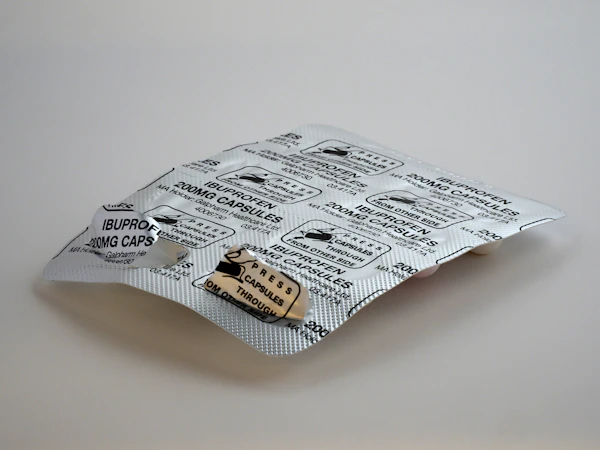
Capsules are the easiest format to start with. They're simple to manufacture, shelf-stable for years, and customers understand exactly what they're getting. Capsule supplements have a proven consumer base and straightforward regulatory handling.
Powders offer flexibility and lower per-serving ingredient costs, but require customer education. Not every consumer wants to mix a powder, and shipping weight increases logistics costs. Powders excel in specific niches (pre-workout, protein, collagen) where ritual and taste matter.
Gummies have premium positioning and strong retail appeal, but they carry the highest COGS of any format due to manufacturing complexity, added ingredients (gelling agents, sweeteners), and packaging. Launch a gummy only if your retail price supports the cost structure.
Topicals, tinctures, and functional foods each come with their own regulatory and production considerations. Choose the format based on what your target customer actually wants to take, not what interests you as a founder. A product nobody wants to consume is expensive education.
Start with honest customer research: Before designing your formula, ask 10 potential customers what format they'd prefer. Their answer usually trumps your assumptions.
Step 2: Choose Your Formulation Path
Once you've chosen a format, you face the foundational decision: private label or custom formulation?
Private label means your co-packer has an existing formula that dozens of brands use. You rebrand it as your own. It's the fastest and cheapest path to market — weeks, not months, and minimal upfront investment.
Custom formulation means designing a unique formula from scratch. It's slower (4–8 weeks minimum), more expensive (formulation fees run $2,000–$10,000+), but the result is defensible. You own the formula, and competitors can't launch an identical product.
Most successful supplement brands start with private label, validate that the product sells, then move custom on their second product. This reduces risk: you prove demand with minimal capital, then invest in uniqueness once you have revenue to reinvest.
Read the full guide: Private Label vs. Custom Formulation →
Step 3: Understand Your COGS Before You Order Anything
COGS — Cost of Goods Sold — is the number everything else is built on. It includes ingredients, packaging, manufacturing, and testing. Before you commit to a production run, you must understand your COGS intimately.
Many founders skip this step and find out too late that their formula costs $8 to produce, but their market only supports a $15 retail price. That math doesn't work. A $15 price needs closer to $3.75 COGS to leave room for wholesale, marketing, and operations.
The COGS conversation includes:
- Raw ingredient cost per unit
- Packaging materials (bottle, cap, label, carton if applicable)
- Co-packer manufacturing fees
- Compliance testing and documentation
If your COGS doesn't support the retail price your category commands, redesign the formula before you commit to a run. Drop expensive ingredients, lower the dose per serving, or choose a cheaper format. This decision, made early, saves tens of thousands in sunk costs.
Read the full breakdown: Supplement COGS Explained →
Step 4: Choose Your Packaging
Packaging is a brand decision and a cost decision simultaneously. The bottle or pouch you choose signals your brand tier before a customer reads a word.
A basic HDPE bottle with a white label says "functional supplement." A custom-printed glass bottle with a two-color label and foil seal says "premium brand." Both can sell, but they command different prices and carry different COGS.
Get samples before you order. Know your minimum order quantity (MOQ) — most suppliers require 500–1,000 units per SKU. Factor labels into your timeline carefully: label printing often takes 2–3 weeks, and a delayed label can delay your entire launch.
Don't underestimate shipping and storage. A pallet of 2,000 bottles takes up real warehouse space, and rush delivery costs money. Build this reality into your cash flow planning.
Read the full guide: Supplement Packaging Options →
Step 5: Price It Correctly From Day One
Price for both DTC (direct-to-consumer) and wholesale from day one, even if you're only launching DTC. This is critical because many founders price their way into a corner: they charge $19.99 when they'd actually need $24.99 to afford wholesale margins and still make a living.
The math: if your COGS is $5.00 and you want to wholesale at 50% margin, your wholesale price is $10.00. That means retail should be $19.99–$24.99, not $14.99. Pricing lower doesn't bring more customers to an unknown brand; it just leaves money on the table and destroys your path to wholesale later.
Run the math with your actual COGS. Don't optimize for price alone — optimize for margin that survives when things go wrong (returns, payment holds, unexpected costs).
Read the full guide: How to Price Your Wellness Product →
Step 6: Choose Your Sales Channel
DTC (selling directly to customers on your own website) is usually the right place to start. You own the customer data, control the brand experience, and keep 100% of the margin. A Shopify store plus organic social media is your path to the first 100 customers.
Amazon adds complexity early: long payment holds (14+ days), higher return rates on unfamiliar brands, and algorithms that favor established sellers. Wholesale requires proof: retailers want to see reviews, repeat purchase rates, and conversion data that proves real demand. Build that evidence on DTC first, then take the story to retailers.
The sequence most successful brands follow: Launch DTC → Hit 50–100 repeat customers → Approach 5–10 natural retailers with data → Negotiate wholesale terms → Decide whether Amazon makes sense at scale.
Read the full guide: DTC vs. Wholesale →
Step 7: Launch — and What That Actually Means
"Launch" for most brands doesn't mean a press release, influencer partnerships, or a full media campaign. It means: website is live, 50–200 units of product on hand, 3–5 emails in your sequence, and a small social audience you've been building organically for 60 days.
The first sale is proof that the product is real and people want it. The hundredth sale is where the business begins to exist. Launch small, stay focused, and scale what works.
Expect your launch to be boring. That's fine. Boring launches that acquire repeat customers are worth far more than flashy launches that acquire one-time buyers.
The Most Common Reason Supplement Brands Fail
It's not because the product doesn't sell. Most supplement brand failures happen because founders underestimate how long it takes to get money back after it goes out.
Here's the cash trap: You spend $5,000 on your first production run. Customers buy, but they have a 30-day return window. You offer net-30 terms to retailers. Amazon holds payment for 14 days. You're waiting 45+ days for money that left your account on day one. If you only have $10,000 in the bank and all of it went to inventory, you're stuck when unexpected costs arrive (rush label printing, damaged goods, customer acquisition).
The fix: Price with enough margin to survive, not just to look competitive. A $39.99 product with $8.00 COGS gives you $31.00 per unit to cover shipping, returns, customer acquisition, and operations. A $24.99 product with the same COGS leaves you with $16.00 — and suddenly you can't afford to acquire customers at scale.
Price defensively. Price to survive. The brands that scale are the ones that hit profitability early and can reinvest, not the ones that run out of runway six months in.
The 5 Core Topics
What Is COGS?
Break down every cost that goes into your product — ingredients, packaging, manufacturing, and testing.
How to Price Your Product
Set a price that works for DTC, wholesale, and your cash flow reality.
Packaging Options
Choose the right bottle, pouch, or container for your brand and budget.
DTC vs Wholesale
Understand the trade-offs of selling direct to consumers or through retailers.
Private Label vs Custom
Decide between fast-to-market private label or defensible custom formulation.
Run the numbers before you launch
Use formulatr to calculate your product COGS, estimated retail price, and per-unit margin — free, no sign-up required.
More Like This